When a company discovers that sensitive data has leaked to the wrong hands, the first question is: how did it happen? The answer often lies in hidden layers of an organization’s security posture—much like a football team’s depth chart. In this analysis, we explore the “insider secrets” that can undermine security, and offer practical steps for detecting, protecting, and managing them.
What Are Insider Secrets and Why Do They Matter?
Insider secrets refer to confidential information that slips past safeguards and becomes accessible to unauthorized parties. These breaches can stem from misconfigured repositories, accidental uploads, or inadequate key management. Unlike external attacks, insider leaks usually occur because the data is already inside the system; therefore, detecting them early is crucial to prevent costly reputational damage and regulatory fines.
How Can a Secret Scan Reveal Hidden Vulnerabilities?
Regular scanning of code bases and cloud configurations helps surface accidental secrets that may have slipped into source control. Automated tools can detect patterns such as API keys, passwords, or cryptographic certificates. The image below shows a typical scan result, highlighting exposed secrets and indicating their location within the project structure.
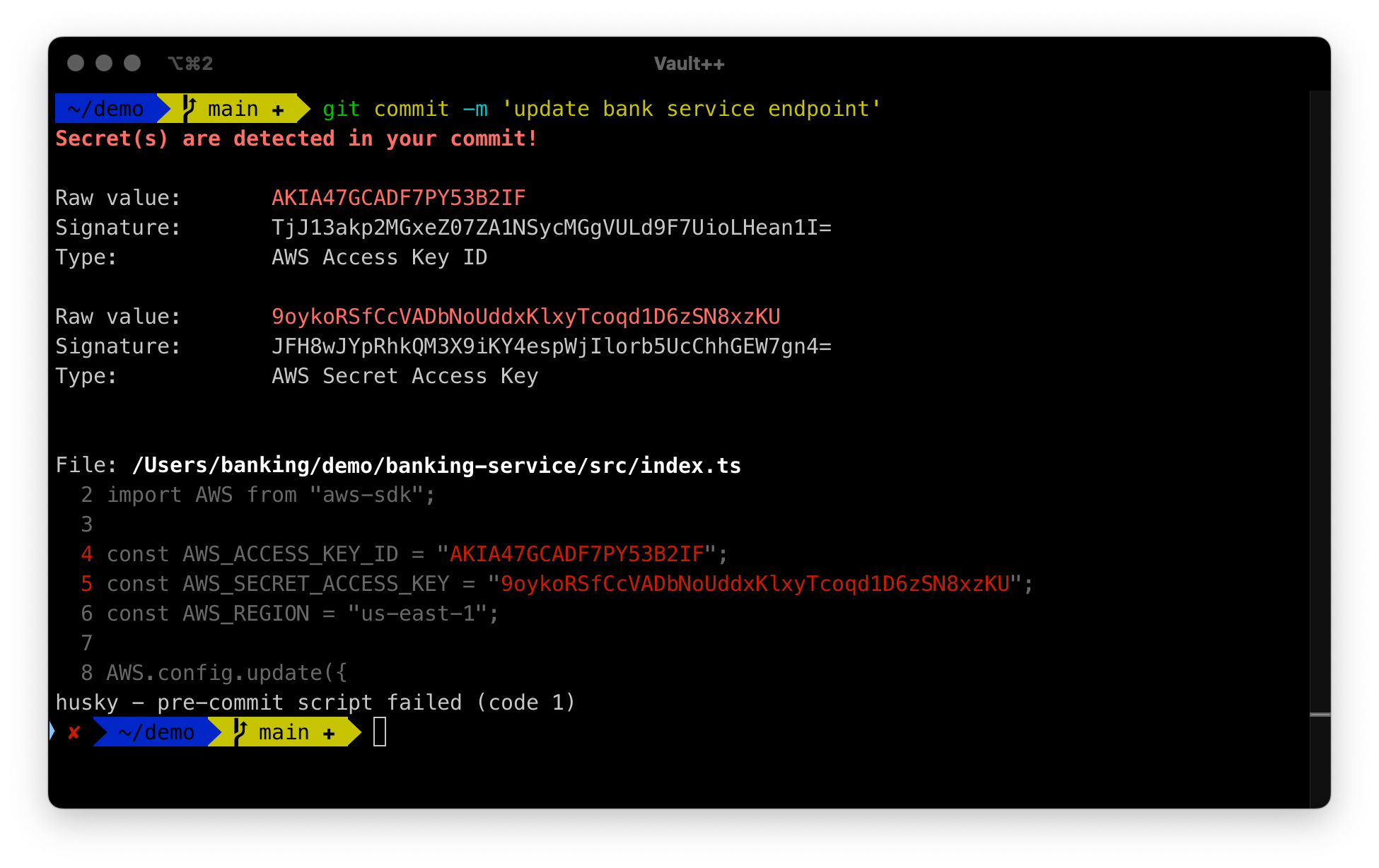
By reviewing the scan output, teams can quickly prioritize remediation tasks—whether that involves rotating keys, tightening repository access, or removing sensitive data from the codebase.
Why Is Java Keytool Still Relevant for Secure Key Management?
Java Keytool remains a staple for creating and managing Java KeyStores (JKS). It provides a reliable way to store cryptographic keys, certificates, and associated metadata. The tool’s command‑line interface enables automation of key generation, import, and export processes, which is essential for maintaining a consistent security posture across multiple environments.

Keytool’s integration with build pipelines ensures that keys never land in the wrong repository. For example, a typical workflow might involve generating a key pair during the build, storing the private key in a protected vault, and injecting the public certificate into the application’s deployment artifacts.
What Steps Should a Team Take After Identifying a Secret Leak?
- Immediate Isolation: Revoke compromised credentials and isolate affected systems to contain the spread.
- Root‑Cause Analysis: Determine whether the leak resulted from a misconfigured file, an accidental commit, or an insider mistake.
- Automated Remediation: Use infrastructure-as-code templates and secret‑management tools to regenerate keys and enforce policy checks before code merges.
- Continuous Monitoring: Implement real‑time alerts for any future exposure of sensitive data.
- Education & Policies: Conduct mandatory security training and enforce least‑privilege access controls.
How Can Organizations Balance Development Speed With Security Rigor?
Speed is essential for competitive advantage, yet it can clash with thorough security reviews. A practical approach is to embed security gates within the CI/CD pipeline. For instance, a pre‑merge check can run a secret scan, and a post‑build test can verify that all keys are stored in an external vault rather than the repository. This strategy allows developers to push code quickly while ensuring that secrets never slip through.
What Are the Long‑Term Benefits of Proactive Secret Management?
By treating insider secrets as a strategic asset rather than a reactive problem, organizations can:
- Reduce the frequency and impact of data breaches.
- Improve compliance with regulations such as GDPR and CCPA.
- Build trust with customers and partners through transparent security practices.
- Accelerate time to market by automating routine security tasks.
In essence, the depth chart of a team’s security posture is only as strong as its weakest link. By proactively scanning for secrets, leveraging robust key‑management tools, and instituting disciplined remediation practices, companies can transform hidden vulnerabilities into visible strengths—just as a well‑coordinated depth chart can elevate a football team’s performance.
How To Recover Keystore / UTC / JSON File Password For Ethereum

How to recover Keystore / UTC / JSON File Password for Ethereum