A critical mistake in a Maryland business filing doesn't just cause delays—it can unravel your company's legal standing, create unexpected tax liabilities, and cost thousands in remediation. Conducting a thorough Maryland business entity search is the first line of defense, but many entrepreneurs miss the subtle red flags that signal a potential filing disaster. Recognizing these warning signs early is the most cost-effective compliance step you can take.
The Geographic Mismatch: Why Your Registered Agent's Address Matters
One of the most overlooked yet consequential red flags is a registered agent address that doesn't align with your actual business operations or the agent's known service area. This isn't just a clerical detail; it's a jurisdictional requirement. If the address is in a commercial mail drop box in a different county, or if it lists a P.O. Box where a physical street address is required, your entity could face service of process failures or administrative dissolution.
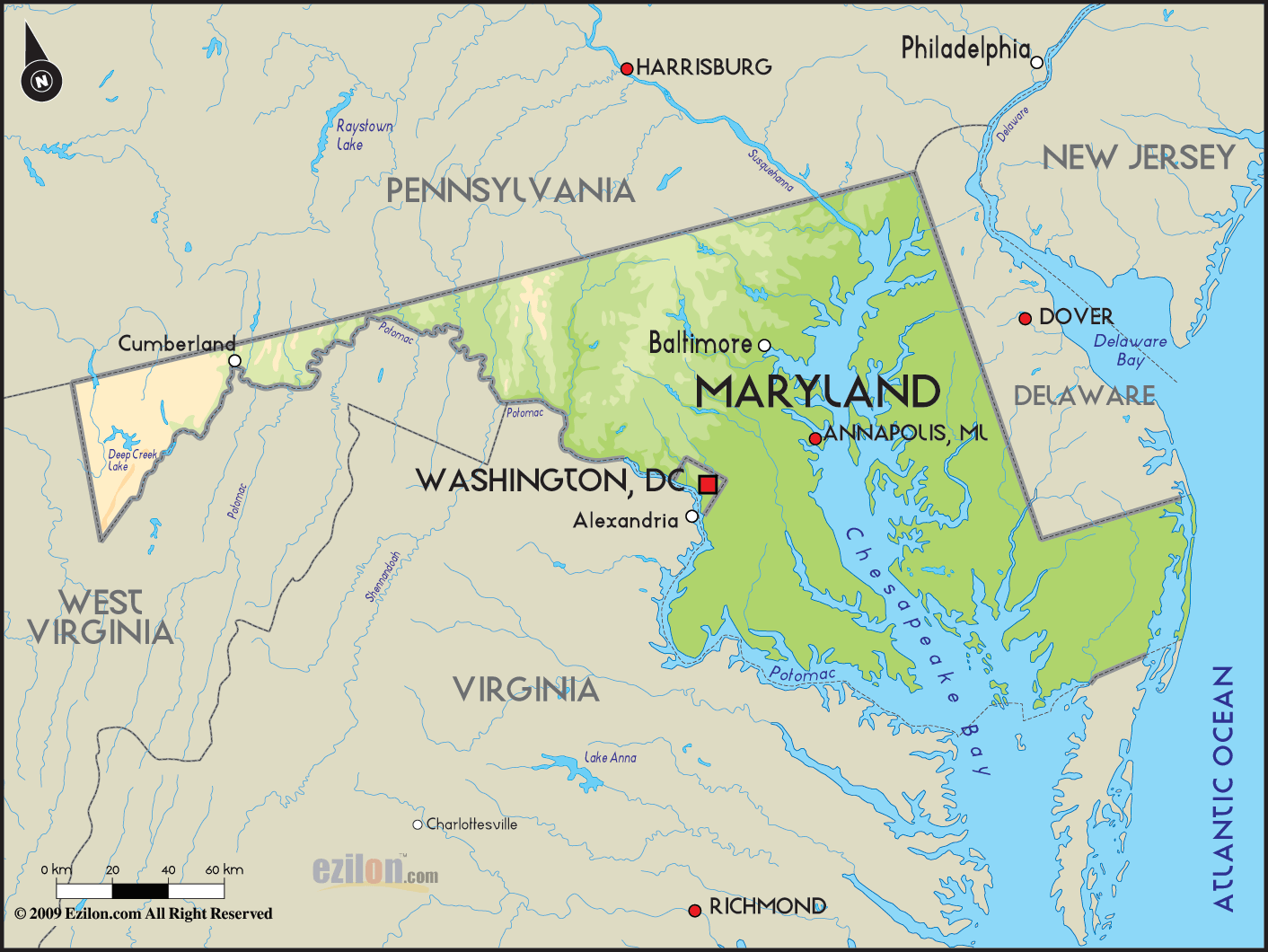
Before you finalize filings, use a map resource to verify the county associated with the address. Cross-reference this with Maryland's requirements for your specific business type. A registered agent in a distant, unfamiliar location can indicate an unreliable service or a fundamental misunderstanding of state law.
Inconsistent or Missing Entity Names: A Chain of Problems
When your business entity search reveals a name inconsistency—such as "LLC" versus "L.L.C." or a missing "Co."—it creates a fragmented legal identity. This isn't just about brand uniformity; it can complicate banking, insurance claims, and contract enforcement. Each filing, from your Articles of Organization to your annual reports, must use the exact name registered with the Maryland Department of Assessments and Taxation (SDAT).
A common pain point arises when a business operates under a DBA (Doing Business As) that isn't properly linked to its legal entity in public records. A diligent search will check both the entity name and any associated trade names. If they don't match perfectly, you've found a red flag that could lead to rejected loan applications or confusion in legal disputes.
The Phantom Status: Is Your Entity in Good Standing?
Perhaps the most alarming warning sign is an entity status listed as "Involuntarily Dissolved" or "Delinquent." This status is a public declaration that you have failed to meet core state obligations, typically the annual report and associated fees. The consequences are severe: you lose the right to sue in Maryland courts, and your liability protection may be voided.
Fixing this status is a process, not a click. It often requires filing past-due reports, paying penalties, and potentially filing for reinstatement. A search that uncovers this status should immediately trigger a conversation with a business attorney or a qualified tax professional to navigate the reinstatement process.
Verification Steps: Turning Red Flags into Action
Encountering these red flags doesn't mean your business is doomed, but it does require immediate, methodical action. First, stop any further filing or public-facing activity using the questionable information. Second, gather all your official documents from the SDAT to compare against the online search data.
The solution is a structured review. Confirm the exact legal name, the registered agent's name and address, and the entity's current standing on the SDAT Business Express portal. For the address, a quick phone call to the registered agent service can confirm its validity. If inconsistencies persist, contacting SDAT directly for clarification is a necessary step. Proactively resolving these issues prevents the far greater cost of a "filing disaster" that disrupts your operations and finances.
Maryland, MD - Travel Around USA

Maryland, MD - Travel Around USA
6. The Maryland Flag | The Odyssey Online

6. The Maryland flag | The Odyssey Online
Maryland Map - ToursMaps.com
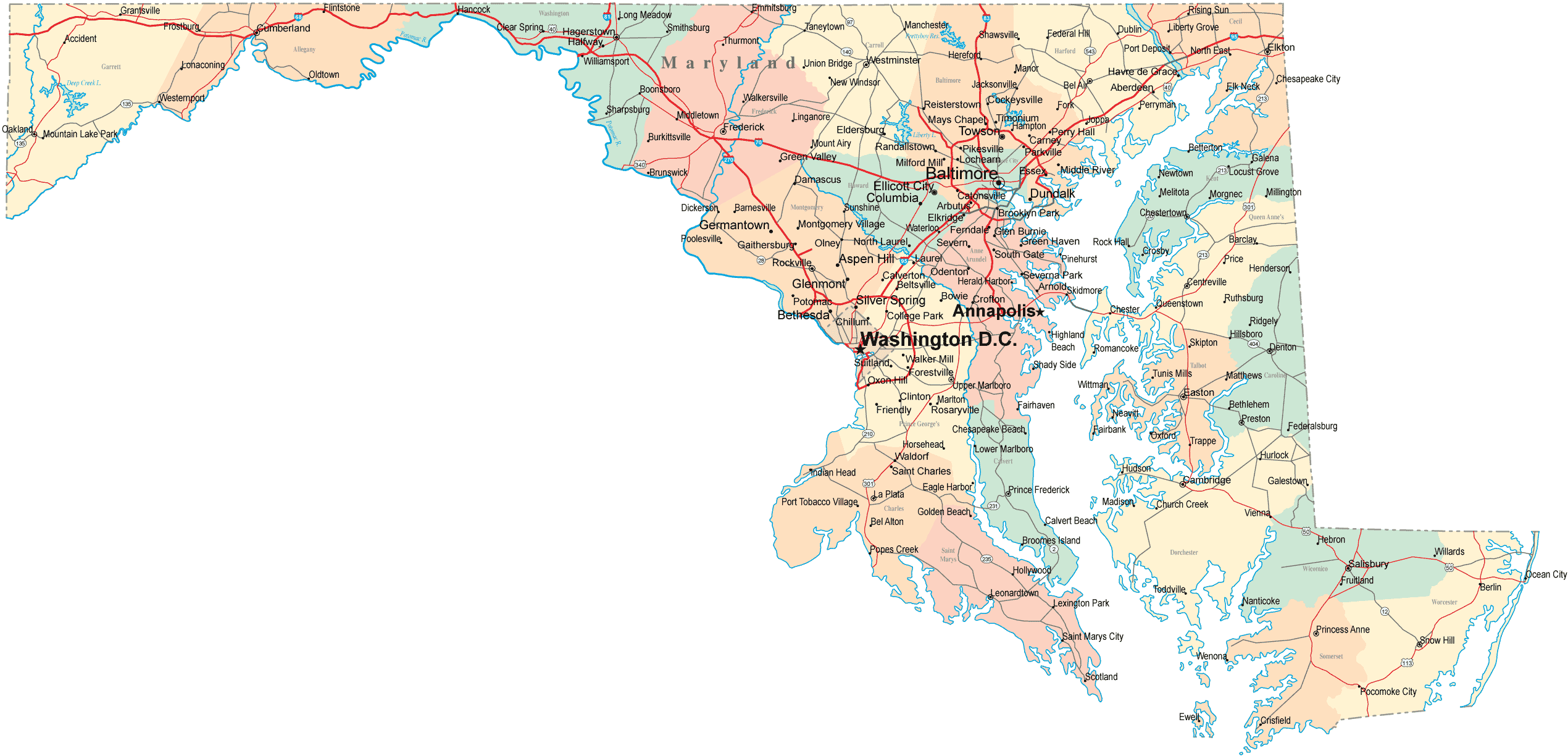
Maryland Map - ToursMaps.com